The Cycle of We
Some economists theorize that business activity runs in a cycle where the benefits of greater collaboration are embraced, but eventually shift toward greater individualism. When the self-interest model leaves too few with tangible benefits, the cooperative approach to business resurges. And the “we/me” cycle begins anew. As we look to restructure our global economies, messages of working together to rebuild our communities have been [...]
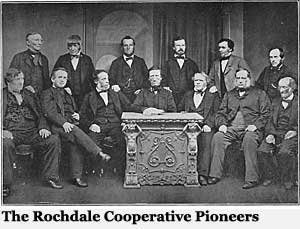
The Rochdale Pioneers’ Message to the Future
We hear a lot about “hope” and “change” these days, but how does our vision compare with the kind of lasting change brought about by the humble men and women of Rochdale, England, a century and a half ago? For the Rochdale Pioneers, the founders of our modern cooperative movement, cooperation gave them real tools to change a dire economic situation. Beset by indebtedness, [...]
Membership is Ownership: The Cooperative Advantage
By Marilyn Scholl 136 may - june - 2008 Interest in food cooperatives is growing, due both to increased interest in local, natural, and organic foods and to increased awareness of our economic vulnerability. More and more communities want the stability and accountability that a cooperative can offer. Cooperative ownership is an economic model that can create great benefits for our communities and member-owners. [...]
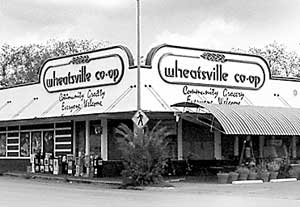
Case Study: Wheatsville — Where It All Started for Walden
Wheatsville Food Co-op Austin, Texas Founded: 1976 Number of members: 9,000 Equity investment:$55 per household Number of staff: 80 Retail square feet:5,100 One of Walden Swanson’s first co-op endeavors was to manage the Wheatsville Food Co-op. As a native Texan who went to business school at the University of Texas in Austin, his interest in economic and social justice issues deepened. He’d always felt [...]
Walden and Kate to Be Inducted into the Cooperative Hall of Fame
Last month the food cooperative sector was unanimously thrilled to learn that CDS consultants Walden Swanson and Kate Sumberg are to be inducted into the Cooperative Hall of Fame at a ceremony in April 2008. Recommendation letters poured into the hands of the selection committee at the Cooperative Development Foundation from food co-op leaders as well as people in the housing, finance, wholesale and agricultural [...]
20 Years of CDS Highlights
The Common Cooperative Financial Statements (CoCoFiSt) program allows food co-ops to compare data and create best practices for a wide range of operational functions. The Food Co-op 500 (later renamed Food Co-op Initiative) program is a joint effort of the National Cooperative Bank, Blooming Prairie Foundation, National Cooperative Grocers Association and CDS. CDS contributed to the creation of a conceptual model for community-driven development [...]
Co-op as Store Becomes Co-op as Community
By Mark Goehring 117 March - April - 2005 We can no longer (verb)_____ in isolation. Try these verbs: Learn. Vision. Plan. Invest. Be. Then try your own! Nearly three years ago, the board of directors of the Brattleboro Food Co-op adopted new Ends Policies, statements defining our fundamental aims. A minor celebration followed this conclusion of a decade-long process of developing the board’s [...]
The Spirit of Generosity: Co-ops need to plant and nourish the seeds of future cooperation
By Bill Gessner 111 March - April - 2004 The collective progress in collaboration that the food co-op sector has achieved over the past decade has been significant and inspiring. “Cooperation among cooperatives,” through the Cooperative Grocers Associations and other vehicles, is building a strong, powerful momentum. An underlying core value that has supported this collaboration, but has rarely been articulated or recognized, is [...]
The Ownership Toolbox
by Karen Zimbelman and Marilyn Scholl A Tool for Building Strong Co-op Membership Programs Any store can provide natural foods—just like any financial institution can provide checking accounts. Therefore, for a co-op, a strong supportive membership is the key to success. Without it, a co-op is just another store that has to compete on price, product, or service alone. Ownership by the consumer-users distinguishes [...]